What Is WalletHack? A Complete Guide to Digital Wallet Security

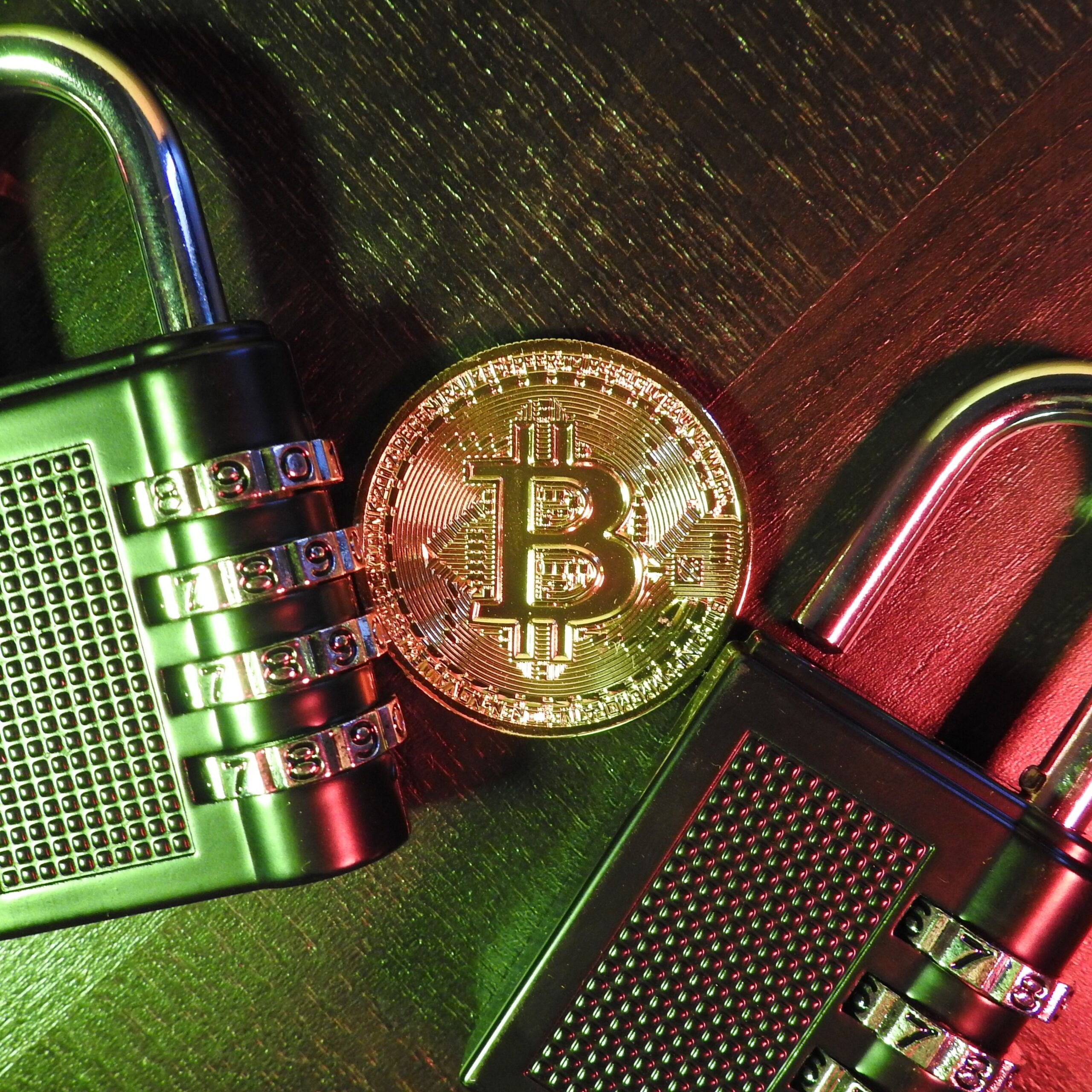
What Is WalletHack? A Complete Guide to Digital Wallet Security
In the rapidly evolving landscape of digital finance, the term “WalletHack” has emerged as a critical concept for users of cryptocurrency, mobile payments, and online banking. Contrary to what the name might suggest, WalletHack is not a single malicious tool or a one-size-fits-all attack. Instead, it is a broad, colloquial term encompassing the methods, vulnerabilities, and exploits used to compromise digital wallets—software or hardware systems that store private keys, passwords, and financial credentials. Understanding WalletHack is essential for anyone using a digital wallet, as it directly impacts the security of your assets. This guide provides a detailed, structured examination of what WalletHack truly is, the mechanics behind these attacks, the types of wallets at risk, and the concrete security measures you must implement.
The Anatomy of a Digital Wallet
To understand WalletHack, you must first understand the underlying architecture of a digital wallet. A digital wallet is not a physical container for money; it is a software or hardware system that manages cryptographic keys. There are two primary types of keys: a public key (akin to an account number) and a private key (akin to a password or signature). The private key is the single most important piece of data. If an attacker obtains your private key, they gain absolute control over the funds associated with that wallet.
Wallets fall into several categories:
- Hot Wallets: Connected to the internet (e.g., mobile apps, browser extensions, exchange accounts). Convenient but high-risk.
- Cold Wallets: Offline storage (e.g., hardware wallets like Ledger or Trezor, paper wallets). Highly secure but less convenient for frequent transactions.
- Custodial Wallets: Private keys are held by a third party (e.g., Coinbase, Binance). The provider is responsible for security, but you are exposed to their vulnerabilities.
- Non-Custodial Wallets: You control the private keys entirely (e.g., MetaMask, Electrum). You are solely responsible for security.
WalletHack specifically targets the weaknesses in these architectures—whether through software bugs, human error, or network-level attacks.
The Primary Vectors of WalletHack
WalletHack is not a single exploit but a collection of attack vectors. The most prevalent methods include:
1. Phishing and Social Engineering
This remains the most successful WalletHack vector. Attackers create fake websites, emails, or social media messages that mimic legitimate wallet interfaces (e.g., a fake version of MetaMask or Ledger Live). The user is tricked into entering their seed phrase or private key. Modern phishing attacks are highly sophisticated, often using lookalike domains (e.g., “metamaskk.io” instead of “metamask.io”) and SSL certificates to appear legitimate. A variant called spear phishing targets high-net-worth individuals by gathering personal data from social media to craft convincing messages.
2. Malware and Keyloggers
Once installed on a device—via a malicious download, an infected USB drive, or a drive-by download from a compromised website—malware can directly extract private keys from wallet software or log keystrokes as the user enters their password. Clipboard hijackers are particularly dangerous: they monitor the user’s clipboard for cryptocurrency addresses and replace them with the attacker’s address during a transaction. This subtle attack is often undetected until funds are gone.
3. Supply Chain Attacks
A sophisticated WalletHack targets the development pipeline of wallet software. An attacker compromises the build environment, injects malicious code, and pushes a backdoored update to users. This was infamously seen in attacks on platforms like GitHub repositories or even official app stores. Users who trust automatic updates are particularly vulnerable. The malicious code can exfiltrate private keys or seed phrases in the background.
4. Physical Access and Hardware Attacks
For cold wallets, physical theft is a risk. However, advanced WalletHack methods include side-channel attacks—analyzing power consumption, electromagnetic emissions, or timing delays from a hardware wallet to infer the private key. More commonly, attackers use compromised USB cables (USB Harpooning) or flash drives to install malware that can intercept data from a hardware wallet when it is connected to a computer for a transaction.
5. SIM Swapping
Many digital wallets rely on SMS-based two-factor authentication (2FA). In a SIM swap attack, the hacker tricks the mobile carrier into transferring the victim’s phone number to a SIM card they control. With access to SMS messages, they can reset wallet passwords, bypass 2FA, and drain accounts. This is a human-centric exploit, targeting carrier support staff rather than software.
6. Smart Contract Exploits
For wallets that interact with decentralized finance (DeFi) protocols (e.g., Uniswap, SushiSwap), the vulnerability may exist not in the wallet itself but in the smart contract the wallet connects to. WalletHack in this context refers to attacks where a user signs a malicious transaction—approving a token transfer or interacting with a compromised smart contract—that allows the attacker to drain all funds from the wallet. This is known as a token approval exploit.
Why WalletHack Is Becoming More Prevalent
The rise of WalletHack incidents correlates directly with the mass adoption of digital assets and the increasing sophistication of cybercriminal enterprises. Three key factors drive this trend:
The Irreversibility of Blockchain Transactions
Unlike traditional bank transactions, cryptocurrency transfers are irreversible. Once funds are sent to an attacker’s address, there is no central authority to reverse the transaction. This makes digital wallets a high-value, low-risk target for criminals.
The Seed Phrase Problem
The seed phrase (a 12-24 word mnemonic) is the master key to a non-custodial wallet. It is a single point of failure. Users are often told to write it on paper and store it in a safe—but many take photos, save it in cloud storage, or type it into an online form. A single data breach or compromised account can expose the seed phrase. WalletHack exploits this by scanning cloud backups, email accounts, and messaging apps for stored seed phrases.
Weak User Hygiene
Despite education, users continue to reuse passwords, click on suspicious links, and ignore basic security practices. A WalletHack often succeeds not because of a zero-day vulnerability in the wallet code, but because the user’s email or password was part of a previous data breach (credential stuffing).
How to Defend Against WalletHack: A Layered Security Model
Defending against WalletHack requires a defense-in-depth approach. No single measure is sufficient; you must layer physical, digital, and behavioral controls.
1. Hardware Wallets with Air-Gapped Operations
A hardware wallet like the Ledger Nano X or Trezor Model T provides a high level of security, but only if used correctly. For maximum protection, use an air-gapped transaction workflow: never connect the hardware wallet directly to a computer. Instead, use a microSD card or QR code to transfer unsigned and signed transactions between a secure offline device and an online computer. This eliminates the risk of malware intercepting the private key.
2. Multi-Factor Authentication (MFA) Without SMS
Replace SMS-based 2FA with authenticator apps (Google Authenticator, Authy) or hardware security keys (YubiKey). For critical wallets, use multi-signature (multisig) setups. A multisig wallet requires multiple keys (e.g., 2-of-3) to authorize a transaction. Even if one key is compromised, the attacker cannot move funds without the second key.
3. Seed Phrase Isolation
Your seed phrase must never exist in digital form. Write it on fireproof, waterproof paper—or better, engrave it on a metal plate (e.g., Cryptosteel or Billfodl). Store it in a safe deposit box or a physically secure location. Never enter it into any website, app, or software, even for “verification.” Legitimate wallets will never ask for your seed phrase outside of device recovery.
4. Transaction Verification and Allowlisting
Always verify the transaction details on your hardware wallet screen before signing. Attackers often manipulate the display on your computer or phone to show one address while the actual transaction sends funds elsewhere. Use allowlisting (whitelisting) on exchange wallets to restrict withdrawal addresses. Only add new addresses after a multi-day delay and email confirmation.
5. Regular Security Audits of Connected Devices
Ensure the computer or phone you use for wallet transactions is clean of malware. Use a dedicated, offline or minimal-install operating system (e.g., Tails OS or a Linux live USB) for high-value transactions. Scan for keyloggers and clipboard hijackers regularly. Consider using a burner device—a phone or computer used solely for crypto and nothing else.
6. Smart Contract Due Diligence
Before connecting your wallet to a DeFi platform or signing any transaction approval, verify the smart contract’s address and audit history. Use tools like Etherscan to check if the contract has high risk flags. Avoid signing “unlimited approvals” (contracts that allow spending of your entire token balance). Use revoke.cash or similar tools to regularly audit and revoke unused token approvals.
The Role of Software Updates and Network Security
Software updates are not merely for new features; they patch known vulnerabilities. A WalletHack often exploits outdated wallet software. Enable automatic updates if possible, or manually check for updates from the official source only. Beware of fake update notifications—attackers use pop-ups that mimic wallet software prompts.
Network security also plays a critical role. Using public Wi-Fi without a VPN is an open invitation for man-in-the-middle (MITM) attacks. A hacker on the same network can intercept data packets, inject malicious code, or redirect you to a phishing site. Always use a reliable VPN or, better yet, a cellular data connection for wallet transactions in public spaces.
Recognizing the Signs of a WalletHack Attack
Early detection can mitigate damage. Look for these red flags:
- Unsolicited communications: Emails, DMs, or phone calls claiming your wallet is compromised and asking you to “verify” your seed phrase.
- Unusual device behavior: Random restarts, unknown browser extensions, or pop-ups that appear when visiting legitimate wallet sites.
- Transaction anomalies: Small, unexpected test transactions from your wallet (known as dusting attacks). Attackers may send tiny amounts to track your wallet activity or probe for active keys.
- Login alerts: Notifications for logins from unrecognized IP addresses or devices.
If you suspect a WalletHack is in progress, immediately move your funds to a new, uncompromised wallet with a fresh seed phrase. Do not try to “secure” the existing wallet—assume it is fully compromised.
The Future of WalletHack and Evolving Defenses
As digital wallets become more integrated with everyday life (e.g., Apple Pay, CBDC wallets, biometric wallets), the attack surface expands. Emerging threats include AI-powered phishing (deepfake voice calls mimicking support staff), quantum computing attacks on cryptographic keys (a long-term risk), and zero-day exploits in wallet firmware.
In response, wallet developers are moving toward biometric authentication (fingerprint, facial recognition), decentralized identification (DID), and wallet recovery services that use social recovery (trusted friends holding key shards). For example, the ERC-4337 standard (Account Abstraction) allows for smart contract wallets with programmable security rules—such as daily transaction limits, whitelisted addresses, and multi-factor recovery without exposing the seed phrase.
Practical Steps for Immediate Implementation
The most actionable defense against WalletHack is behavioral change. Audit your current setup now:
- Use a hardware wallet for any holdings you are not actively trading.
- Store your seed phrase offline, on metal, in a safe.
- Enable Google Authenticator or YubiKey for exchange accounts. Remove SMS 2FA.
- Install a browser extension like Wallet Guard or Pocket Universe that simulates transactions and warns you of malicious ones before you sign.
- Create a dedicated email for crypto-related accounts—never use your primary email for exchanges or wallet sign-ups.
- Monitor your wallet using services like Dune Analytics or Etherscan alerts for unusual activity.
- Never “share your screen” with anyone claiming to be support—this is a common vector for session hijacking.
WalletHack is a constant arms race between attackers and defenders. The technology evolves rapidly, but the fundamental principle remains unchanged: security is a process, not a product. By understanding the mechanics of these attacks and implementing a layered, disciplined approach to private key management, you can reduce your risk to negligible levels. Your digital wallet is only as secure as your habits.